Thursday, 11 December 2025

How to Look for "Gold" Hydrogen

How to Look for "Gold" Hydrogen 

I wrote about the presence of hydrogen in June (SEE HERE) and THIS ARTICLE follows on, giving some insights into the search for crustal hydrogen.

For many years it was believed that while hydrogen may be produced in the crust, it was too reactive and able to escape too easily for any significant quantities to be trapped. But opinions have changed and there are reports that significant deposits are being found.

But they are not in the places where there has been lots of drilling in the past - you are unlikely to find hydrogen in the places where you would look for oil or natural gas.

It is a familiar story - if you don't look for it you will not find it! But where to look for it. And the theorists are now postulating where the places to look are.

What you need are lots of groundwater and lots of iron-rich rocks. Put simply steam reacts with iron to produce hydrogen. The temperature needs to be hot - about 300⁰C. And you need a reservoir and a seal.

The use of hydrogen as a fuel, replacing hydrocarbons, would make a tremendous difference to the production of greenhouse gases. And that would be a good thing!
Wednesday, 10 December 2025

Kilauea Puts on a Spectacular Show!

 Kilauea Puts on a Spectacular Show!

Many of you will have seen some of the videos from the Big Island of Hawaii. Kilauea has been fountaining lava hundred of metres into the air in some of the most spectacular footage I have ever seen.


THIS YOUTUBE VIDEO has a geologist explaining the geology, which is almost as fascinating as the the sight of the lava fountaining.

Friday, 5 December 2025

Lake Water Mixing is Slowing - Should we be Worried?

 Lake Water Mixing is Slowing - Should we be Worried?

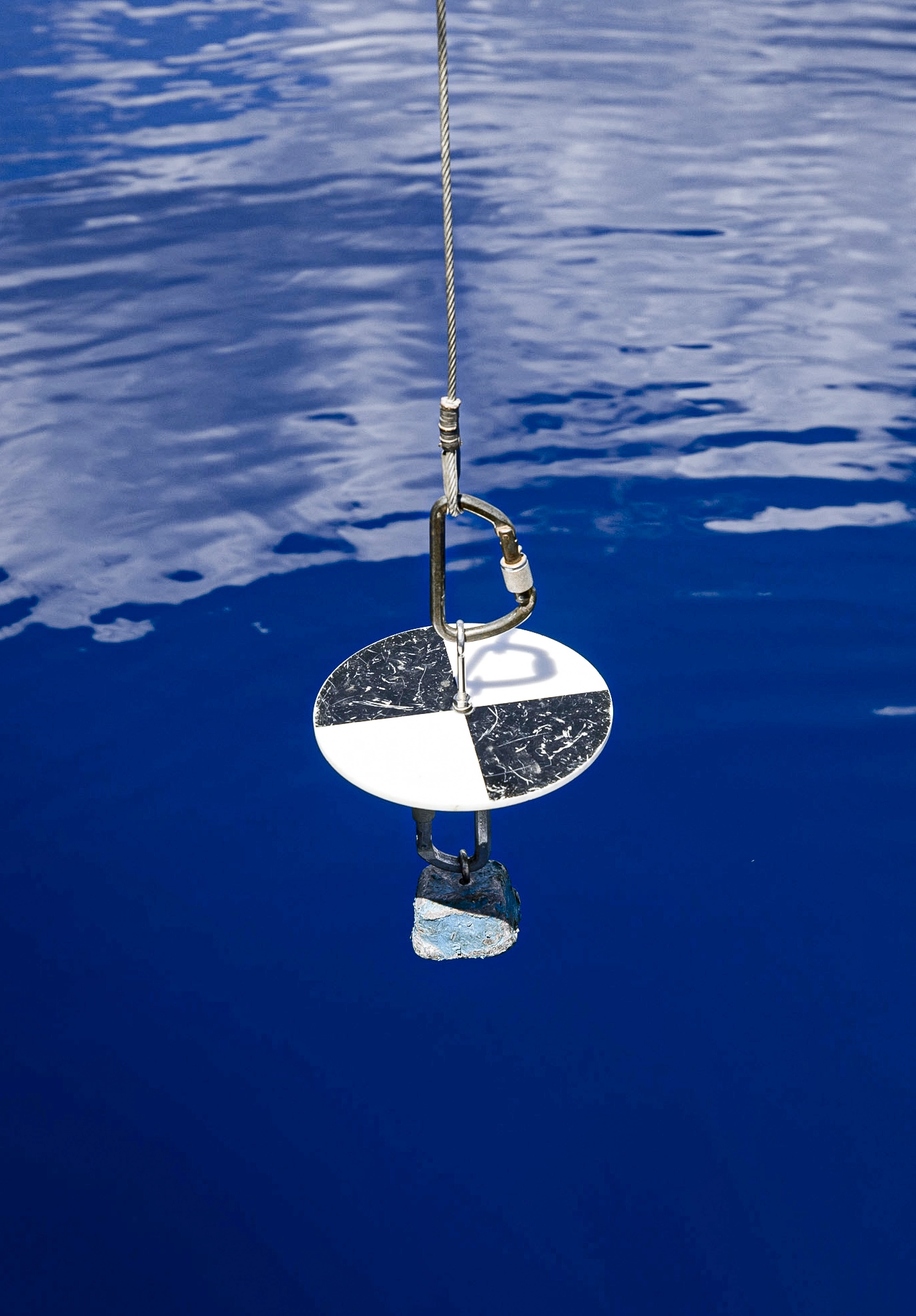
I came across THIS ARTICLE in Quanta magazine and found it very interesting. The bit which caught my imagination was the method of measuring water clarity. 


The disc pictured above is lowered into the lake and when it disappears from the observers sight - that is the Secchi depth.

The lake with the longest history of clarity readings is Crater Lake in Oregon in the USA. And lately the lake has been getting clearer. And that is the result of less mixing of the lakes water.

Lake water mixing is the result of many things, but one of them is the surface water becoming warmer, therefore lighter and less likely to descend and mix. In winter the surface water cools and therefore sinks and mixes. But, in many places this no longer happens.

And as a result the water at the bottom of lakes becomes depleted in oxygen.

In Crater Lake another result is that the warm surface layer becomes thinner - the energy (wind) needed to mix the surface layers becomes greater and it does not happen. The thinner surface layer means less phytoplankton and clearer water.

The article goes on to look at other lakes, especially Lake Tahoe, which used to be very similar to Crater, but shows more signs of deterioration. 

This is an article well worth reading.

Down to Earth Extra December 2025

 Down to Earth Extra December 2025

The December 2025 edition of Down to Earth Extra jas been published. You can download it HERE or you can read it below.